Play therapy helps your child understand emotions and build confidence
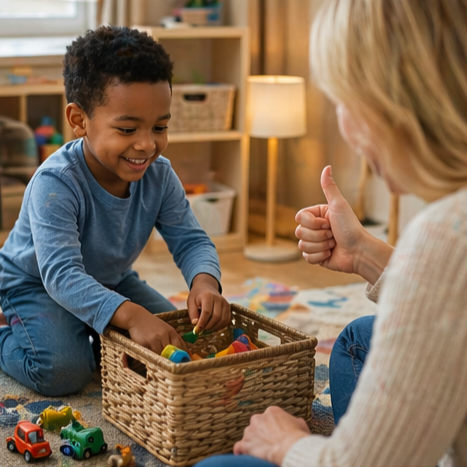
Play is how children naturally express feelings they don't yet have words for. Through guided play, I create a safe space where your child can process worries, develop emotional skills, and feel more secure at home and school.
Play therapy provides a safe and supportive space where children can explore emotions, process experiences, and develop the skills they need to cope with challenges.
How play therapy transforms children's development
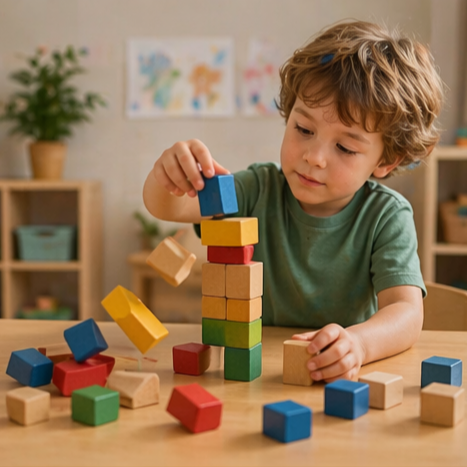
Resilience and Coping
Through safe exploration in play, children process worries, build problem-solving skills, and bounce back from setbacks faster.

Better School Engagement
When children feel calmer and more secure, they focus better in class, participate more, and enjoy learning again.
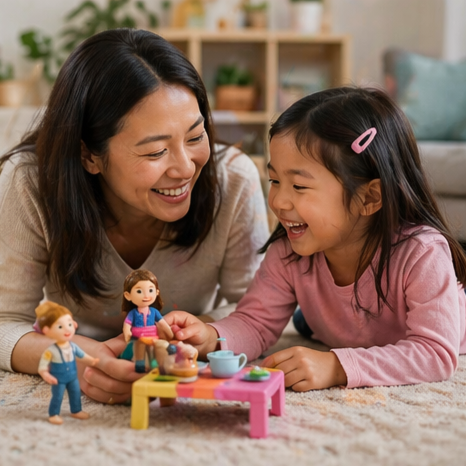
Stronger Home Connection
Teachers and parents work together with Candice, so progress carries across school and home environments.
Emotional Regulation
Children develop awareness of their feelings and learn calmer, healthier ways to respond to stress and big emotions.
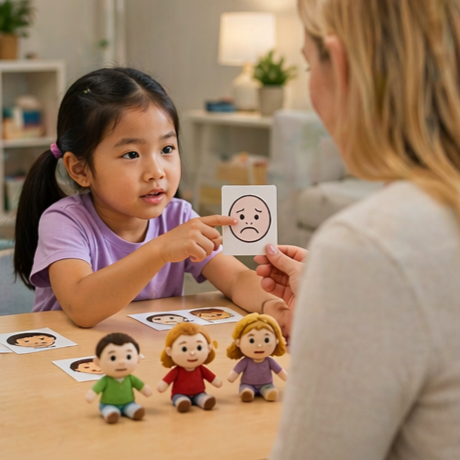
Social Confidence
Through guided play, children practice cooperation, empathy, and communication in a safe, supportive space with clear boundaries.
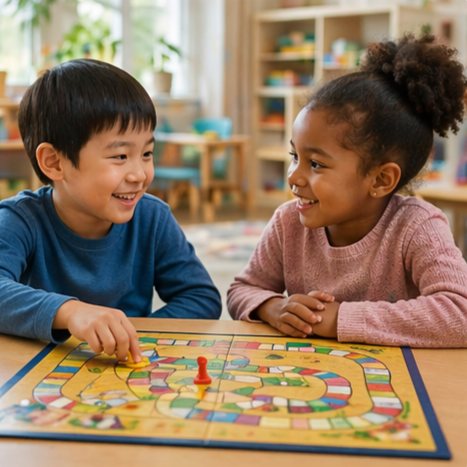
Behavioural Shifts
As children understand their emotions better, they make more positive choices in how they behave and interact with others.
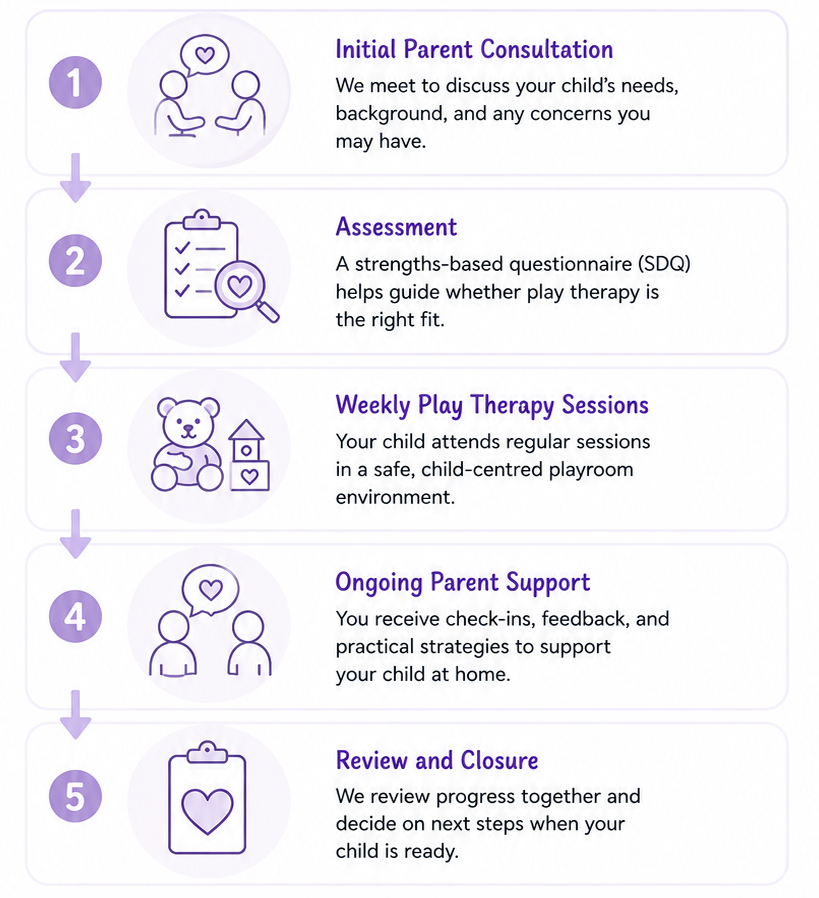
Play Therapy Journey: Simple, Supportive, Collaborative
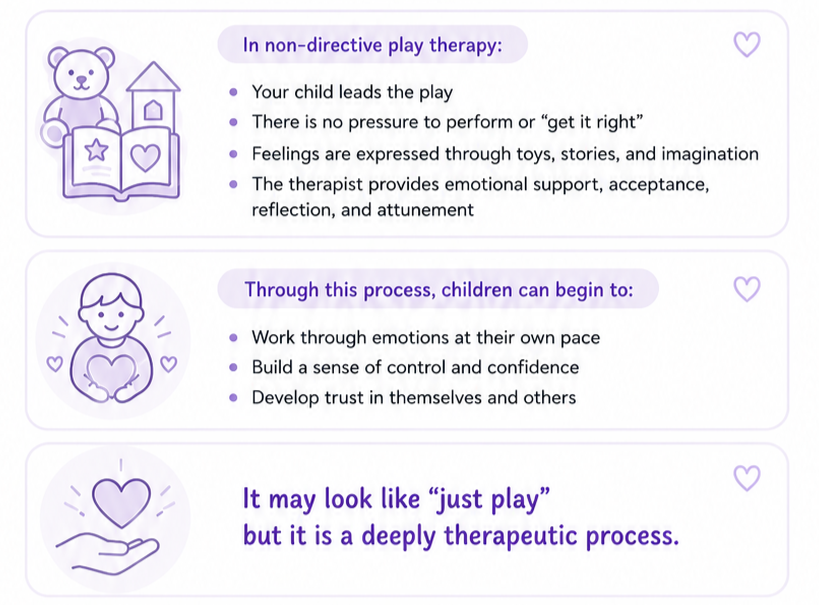
Child-Led . Strength-Based . Compassionate . Collaborative . Confidential
Questions frequently asked by parents
-
Not at all. Many children attend play therapy for everyday emotional challenges such as anxiety, confidence, friendship difficulties, emotional regulation, school stress, separation difficulties, or adjusting to change.
Play therapy can also simply provide children with a supportive space to process emotions, build resilience, and strengthen emotional wellbeing before difficulties become more overwhelming.
-
Every child expresses emotions differently, but some common signs may include:
Increased anxiety or worries
Big emotional reactions or meltdowns
Withdrawal or loss of confidence
Difficulty managing emotions
Changes in behaviour or mood
Friendship or social difficulties
School avoidance or stress
Sleep difficulties or increased clinginess
Difficulty adjusting to change or transitions
Sometimes parents simply notice that their child seems “not quite themselves.”
-
That’s very common. Parents do not need to have all the answers before reaching out. An initial consultation can help explore your concerns, understand your child’s needs, and determine whether play therapy would be a suitable form of support.
-
Play therapy can be especially helpful for children who struggle to explain their feelings verbally. Play allows children to communicate emotions and experiences in a way that feels natural and developmentally appropriate.
-
That is completely okay. Play therapy does not rely on children sitting and talking about their feelings. Children naturally express themselves through play, creativity, stories, imagination, and movement.
The therapy process meets children at their developmental level and allows them to communicate in ways that feel safe and natural to them.
-
Building trust and emotional safety is an important part of play therapy. Your child’s privacy will be respected, and I will not share detailed play content or specific conversations from sessions.
However, I will keep parents informed by sharing general themes, progress updates, and practical guidance to support your child at home. If there is ever a safety concern, this would always be discussed appropriately.
-
Every child is unique. Some children benefit from short-term support, while others may need longer-term therapeutic work. Each child starts with 12 sessions, after which progress is reviewed in consultation with the parents. Progress is reviewed regularly, and each child’s individual pace and readiness are respected throughout the process.
-
Play at home is incredibly valuable for connection and bonding. Play therapy, however, is guided intentionally by a trained professional who understands child development, emotional processes, and therapeutic play techniques.
Through carefully attuned interactions, play becomes a way for children to process emotions, build confidence, develop coping skills, and work through challenges in a safe and supportive environment.
-
Yes, absolutely. Play therapy is especially supportive for children who are still developing English because it does not rely heavily on verbal communication.
Children communicate naturally through play using toys, creativity, imagination, movement, and symbolic expression. This means children do not need advanced English skills to benefit from the therapeutic process. The focus is on emotional expression, connection, and feeling understood — not on speaking “perfect” English.
-
The payment process is designed to be simple and stress-free for families. All payments, invoicing, and session arrangements are handled directly between the parent and the therapist.
You do not need to make payments through the school, allocate fees to school accounts, or manage any additional school administration processes. The school simply provides the space for sessions to take place during the school day.
-
I aim to keep services accessible and approachable for families, while still providing high-quality, professional therapeutic support. Please feel free to get in touch for current fees and further information.
What Parents Are Saying
-
“I am so glad we found you. You are the perfect match for my child. I've seen improvement in his emotional regulation and expression."
— Shrewsbury Parent
-
“Play therapy with you is one of a few things my child actually enjoys doing.”
— Shrewsbury Parent
-
“My child loves coming to the playroom. Thursday is his favourite day because he knows he will come to see you. He can verbalise his feelings now and speak up when he doesn't like something."
— Shrewsbury Parent